Vineyards & Winery

Gold Winery

London, United Kingdom - Est. 1910

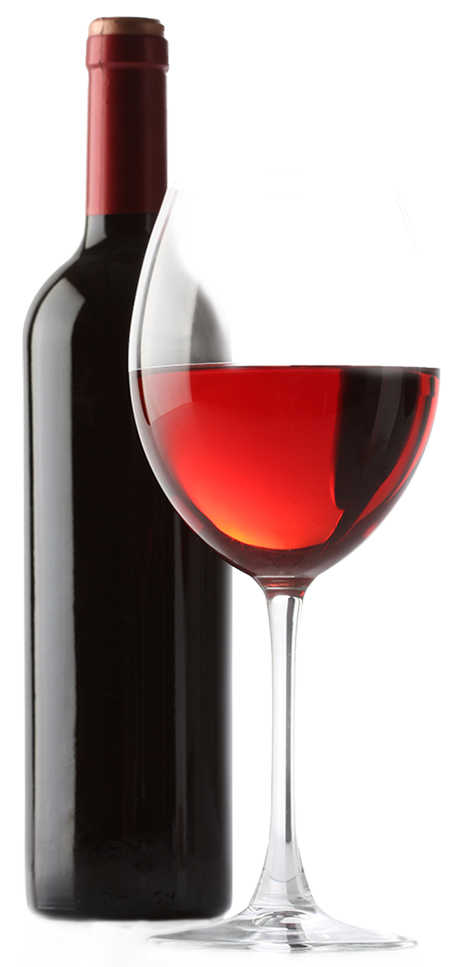
Red Wine

The production of red wine requires extracting flavor and color components directly from dark-skinned grape varieties. While young red wines typically feature a violet hue, they transition into a rich red with maturity and eventually turn brown with age. Interestingly, most purple grapes yield a greenish-white juice; the distinct red color is derived from anthocyanin pigments found in the grape skins. The only exceptions are the rare teinturier grapes, which feature red flesh and produce naturally red juice.
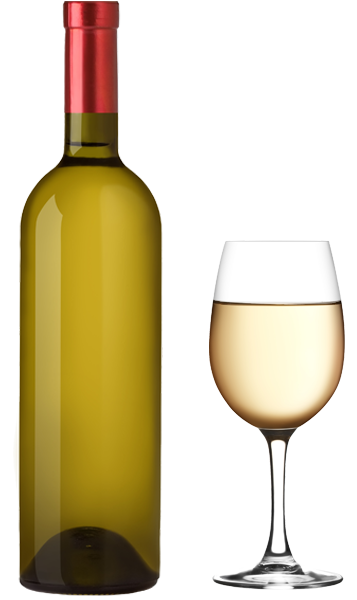
White Wine​

White wine exhibits a color spectrum ranging from straw-yellow and yellow-green to rich yellow-gold. It is crafted by fermenting the clear, uncolored juice of grape pulp, typically harvested from green or yellow grape varieties. While some are made from a single grape variety, other white wines are complex blends of multiple grapes. Interestingly, winemakers can also use dark-skinned grapes to produce white wine. This requires careful extraction to ensure the skins do not discolor the juice before fermentation—a technique commonly applied in making certain sparkling wines. 

Rosé Wine

Rosé wine incorporates limited color components from grape skins, distinguishing it from red wine. As the most straightforward application of the skin contact technique, it potentially represents the oldest form of wine production. The resulting pink coloration spans from pale orange to deep purple, determined by the specific grape varieties and processing methods. Production follows three primary techniques: skin contact for brief maceration, juice removal early in fermentation for separate processing, or blending, which remains uncommon and discouraged across most wine-producing regions.

Vineyards & Winery

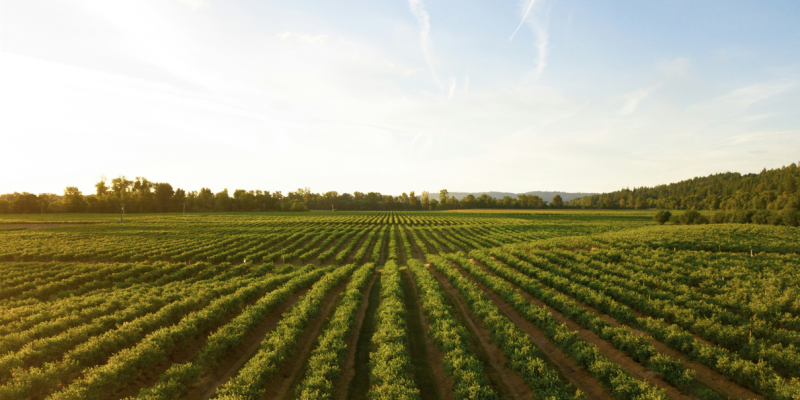
Our Vineyard

onlootu-Wine-Winery-Vineyard-onlootu.com_.png

History

A winery refers to a licensed property, building, or business dedicated to the commercial production of wine. While some wine corporations manage extensive portfolios with multiple facilities, larger production sites are typically equipped with advanced infrastructure, including specialized laboratories, automated bottling lines, expansive warehouses, and massive tank farms. Archeological evidence traces the origins of winemaking back thousands of years to ancient production facilities discovered in mountainous historical regions. In modern history, the expansion of the global trade led to the establishment of dedicated commercial wine merchants and traditional city-based distributors, including notable European trade offices founded in the early twentieth century. 

Contact ​

1100 New Center,
Boulevard, Sala 800 
+00 11 0008 0008
templates@onlootu.com

Please note: The form above requires Elementor Pro. You can, of course, use any other free contact form plugins like Contact form 7 or WPForms.

✧LOGO

1100 New Center,
Boulevard, Sala 800 
+00 11 0008 0008
templates@onlootu.com

Company

   About Us
   Contact Us
   Blog


Terms & Conditions  .  Privacy Policy

© 2026 onlootu.com. All rights reserved.

0
    Your Cart
    Carrinho vazioYour cart is emptyReturn to Shop
        Secure Checkout
       
    Rolar para cima